Table Of Content
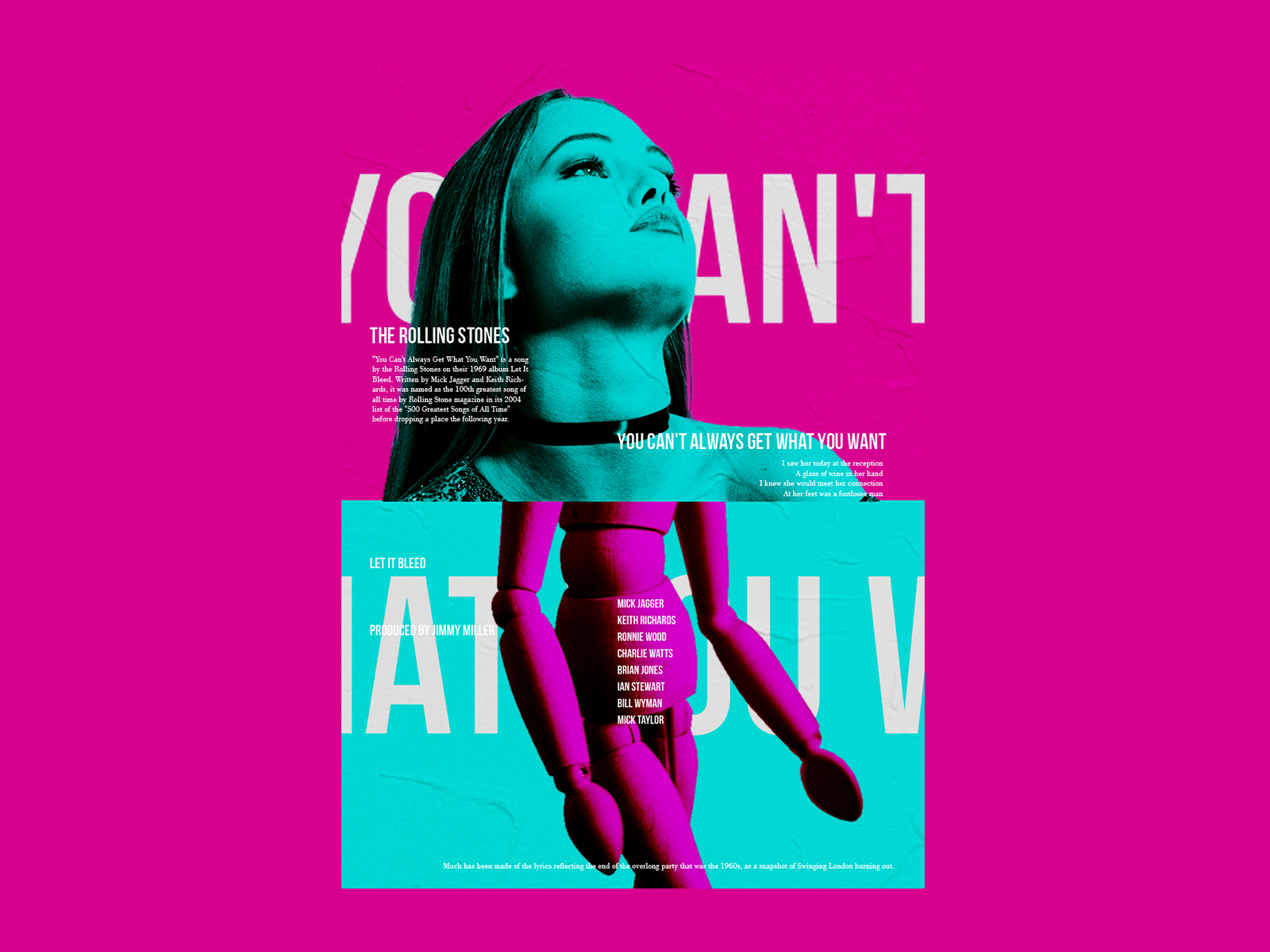
A two-year master's in graphic design program offers a core curriculum and lets students select electives. Options may include typography, graphic design history, and film production. They put what they produce in the capstone into their professional portfolio.
Create visual interest and captivate your audience with contrast
All this to say, you can use contrast in more than one way in a design. Just remember, there’s such a thing as overdoing it with contrast. Like with anything in life (and design!), finding a balance is key. Otherwise, you might overwhelm your readers or dilute your message. Remember, your goal should always be to create a unified design design that gets your message across.
Top 5 Rules for Selecting the Right Font for Your Logo
Together, they give rise to rhythm, a fundamental element that breathes life into visual creations. This section illuminates the symbiotic relationship between repetition and contrast, elucidating how their collaboration elevates design by establishing patterns, ensuring consistency, and infusing a sense of movement. Utilizing contrast in shape will allow you to deepen the level of contrast to attract more attention to an area. Either way, combining these types of textures can add visual interest to an otherwise flat design.
7 high-contrast designs that leverage the element of surprise - Business of Home
7 high-contrast designs that leverage the element of surprise.
Posted: Tue, 07 Feb 2023 08:00:00 GMT [source]
When is contrast most effective in design?

Through color contrast, designers can harness this power to create energy, evoke emotions, and establish a clear visual hierarchy. In this section, we’ll delve into the various ways color contrast can be used to make your designs more captivating and effective. Contrast in graphic design occurs when visual elements placed close together noticeably differ from each other. You might immediately think of color contrast such as red vs. blue or warm vs. cool. While color is an extremely important aspect of contrast, there are contrast of type, alignment and size to consider.
Some things you might consider giving heavier visual weights to may include a call-to-action button or photo, illustration, or catchy headline/header. You can even manually adjust a photo to highlight a subject in the image. There are several ways to give a graphic element more visual weight and I outlined just a few below.
This gives you contrast, but also keeps that unification in your design, because you don't want to have a different typeface for every body of text. No matter what design you're creating, chances are you'll be working with some type of font. When it comes to typefaces, the other elements of contrast can all be applied, whether it's color, size or shape. On the other hand, the image shown above here shows a great level of contrast between the background and the text color which is pleasing to the eye. It's crucial to work with complementing colors that don't cause strain. If you need help finding appealing contrasts, there are many color palette tools online to get you started.
USF graphic arts seniors present thesis work in 'Contrast' exhibition – The Crow's Nest - The Crow's Nest
USF graphic arts seniors present thesis work in 'Contrast' exhibition – The Crow's Nest.
Posted: Mon, 18 Apr 2022 07:00:00 GMT [source]
The bigger the size of the shape the more important it becomes and catches your reader attention. Additionally all the bubbles are integrated to create a footprint shape. But it’s very easy to notice which are the 3 countries that create more CO2 emissions. So if you’re in the business of creating visual communications, contrast deserves a prominent place in your toolbox. The contrast design principle refers to the use of opposites or different elements to create an arresting effect, while juxtaposition is more specific and refers to placing contrasting elements side by side.
In this section, we delve into the realm of spatial contrast, exploring how it profoundly influences composition and plays a pivotal role in guiding the viewer’s perception. Designers can strategically use warm and cool tones to emphasize specific elements or to create a particular mood in their designs. This approach allows for a nuanced and expressive use of color.
To avoid this type of design, stick to applying contrast to place emphasis on the core message you’re trying to convey. There are many shapes you can mix and match to create some contrast. You can also consider contrasting geometric shapes with organic shapes that draw inspiration from nature.
Whether you're working on a layout for a brochure or designing a band poster, establishing contrast is one of the most important things to consider in graphic design. Contrast attracts the eye, adds visual interest to a composition and can be in many different forms. Here, we explore four types of contrast that will elevate your design game. As a design principle, contrast is all about using opposites to capture your audience’s attention and draw the eye to key parts of your message. Creating a visual point of interest through contrast in graphic design is one of the most important skills to have.
Contrast, in its essence, serves as the backbone for creating focus, hierarchy, and dynamism in design. It’s the tool that guides the viewer’s eye, emphasizing the most crucial elements of a composition. In this section, we delve into how contrast shapes the viewer’s experience and sets the tone for effective communication in design.
Choose to contrast two characters in a scene by using size and depth to demonstrate importance. Try having more of a dramatic scene played out just from contrasting the size of the characters. If we contrast the size of the character, we know we are going to be focused on the larger one versus the one set in the background. Keep in mind that not everything needs a huge level of contrast to where it punches you in the face; it can be subtle. The next time you're working on a layout, make sure you're implementing these principles to create more appealing work. To learn more principles like this, check out Pluralsight’s graphic design learning path.
A master's degree in the arts costs an average of $72,800, according to EducationData.org. This figure does not include fees, textbooks, and other education-related expenses. Learners can save money by enrolling in a public, in-state university. Prospective degree-seekers exploring the best master's in graphic design degrees can compare schools' tuition rates. Many employers require at least a bachelor's degree for entry-level positions. Prospective graphic designers with a bachelor's in another field can apply to a master's or graduate certificate program.
Adding good contrast in your artwork is necessary to ensure that it will not be boring. Remember that is all about the message you want to transmit to your audience, so using good contrast will help you create visual interest in your composition. A quick way to add contrast to your designs is to pair a hard shape, like a square or rectangle, with a soft shape, like a circle or an organic figure. Hard shapes are sharp and crisp while soft shapes are more casual and laid-back, so this combo creates natural contrast. In design, elements can also have different values (sometimes called tones).
Learners can reduce their need for student loans by entering contests and applying for private scholarships. They can also apply to schools with institutional scholarships and grants. The federal government awards grants to degree-seekers with financial need. When you research potential programs, don’t hesitate to reach out to an admissions counselor, even if you’re not sure you’ll be applying to that program. They can answer questions about the program’s focus and help you determine if it would be a good fit for you. Typography can appear heavier in weight than the other items on the page based on the weight of the letterforms in the chosen font.


No comments:
Post a Comment